Etawah Lion Safari
Bhind Bypass Rd, Etawah, Uttar Pradesh 206001
Overiew
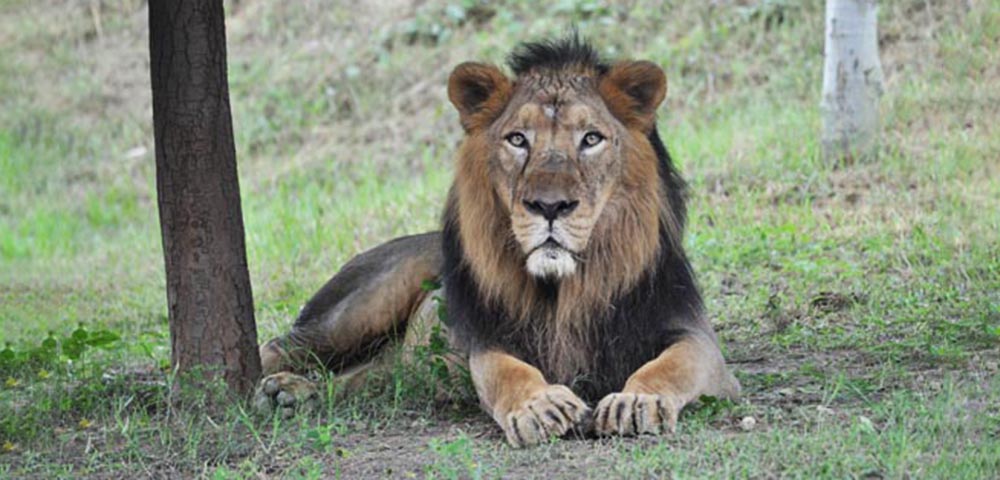
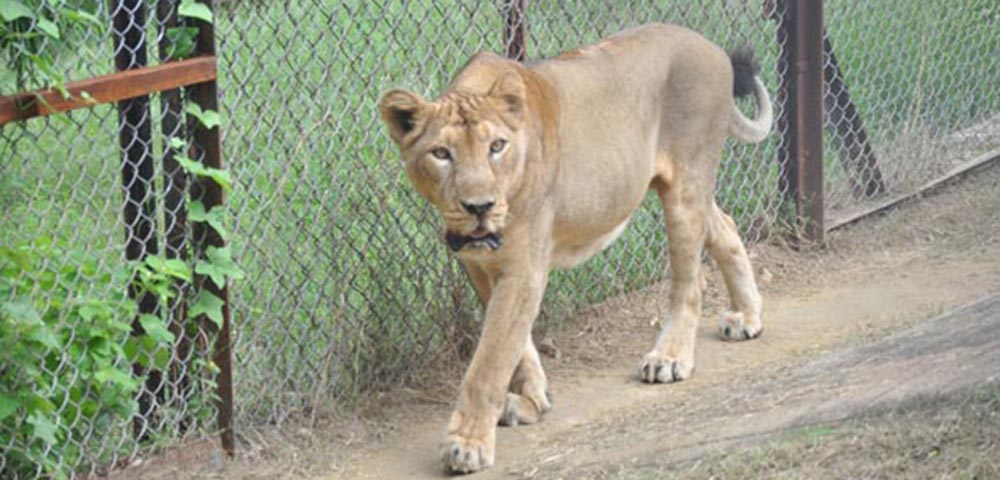
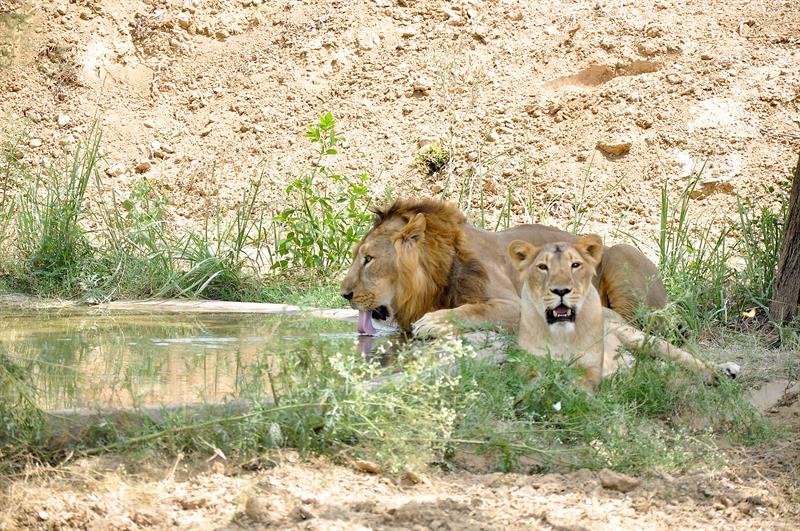
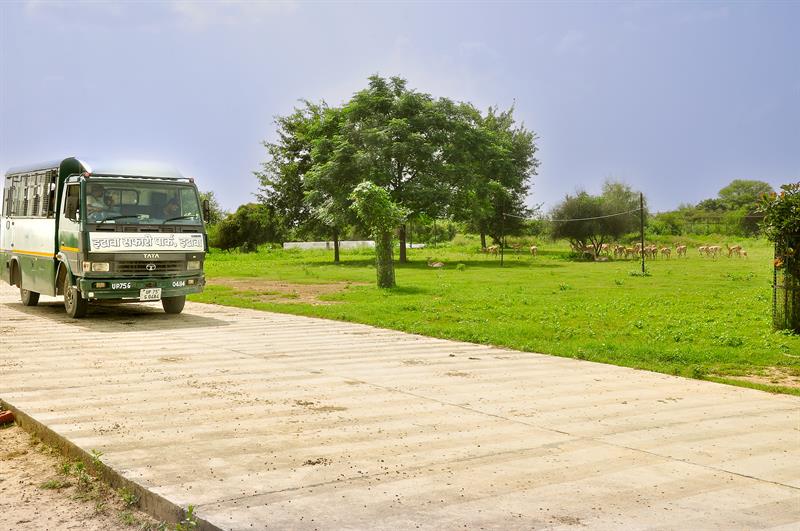
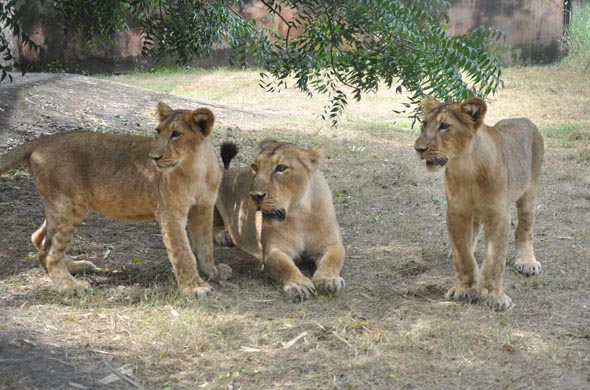
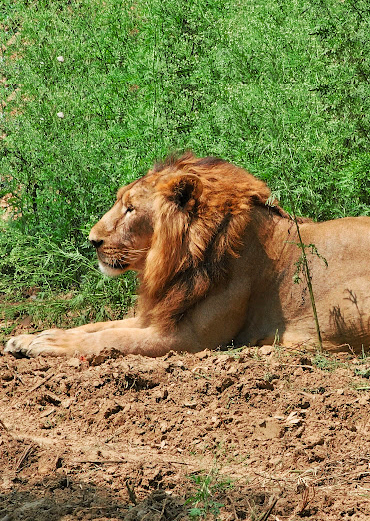
The uniqueness of this safari lies in the fact that while at other such places the animals remain caged and the tourists move freely in the area. Similarly in Etawah Lion Safari, people will move in caged paths while the lions and other animals are seen moving freely in the jungle. The Lion Safari, which is mainly being developed to provide alternate home to Asiatic lions, which are now limited only to Gir Forests in Gujrat will also feature a Lion Breeding Centre.
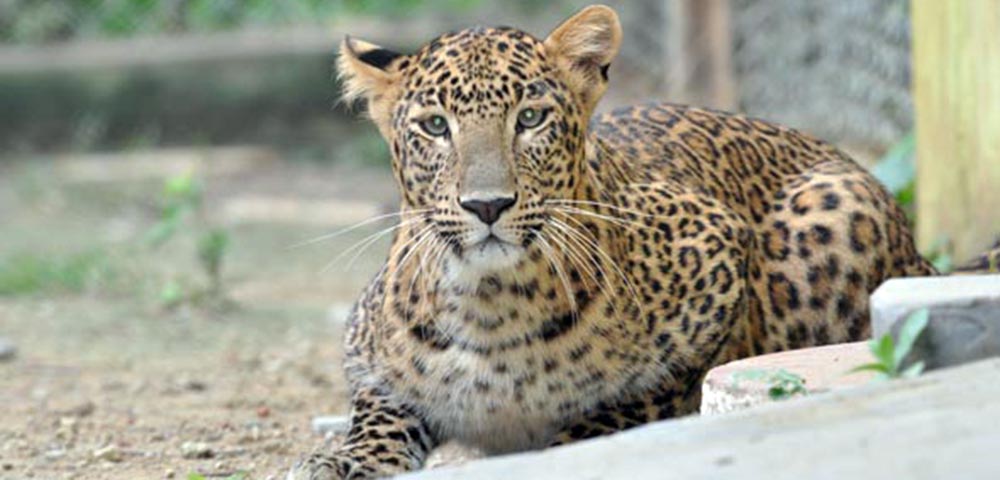
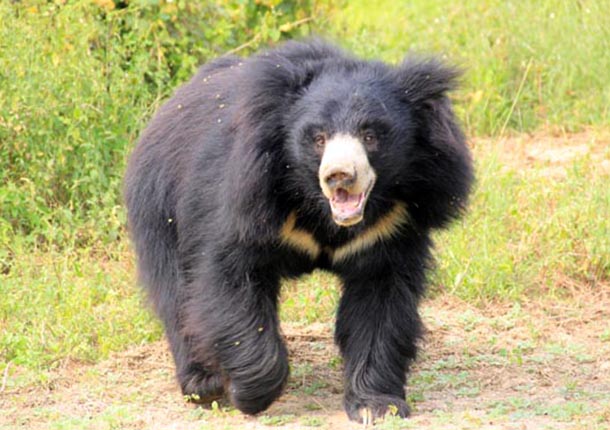
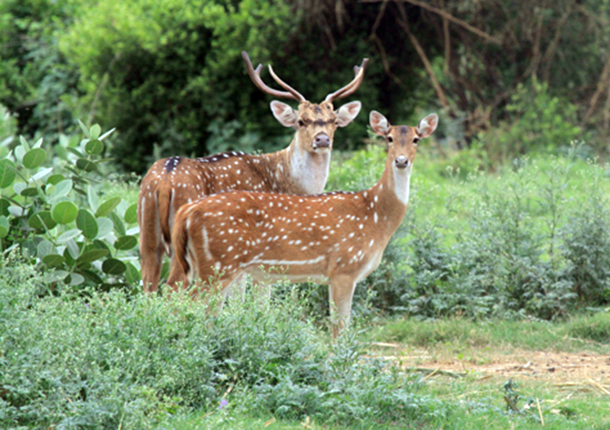
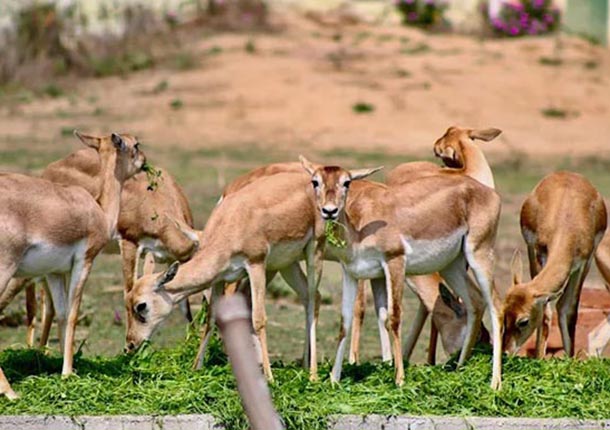
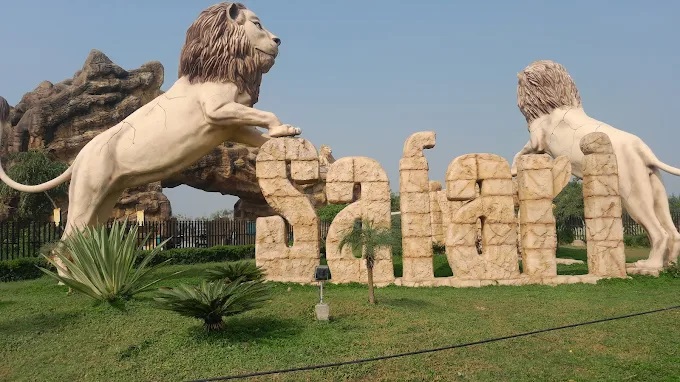
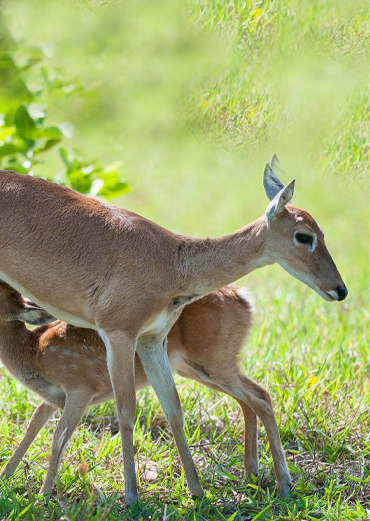
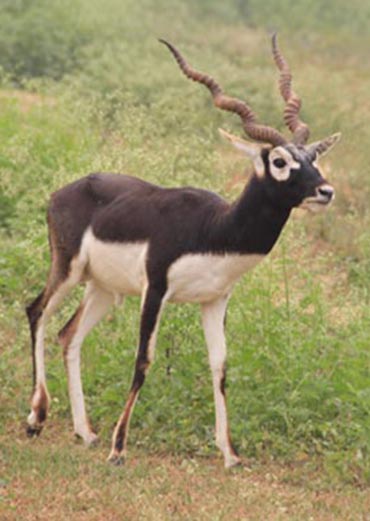
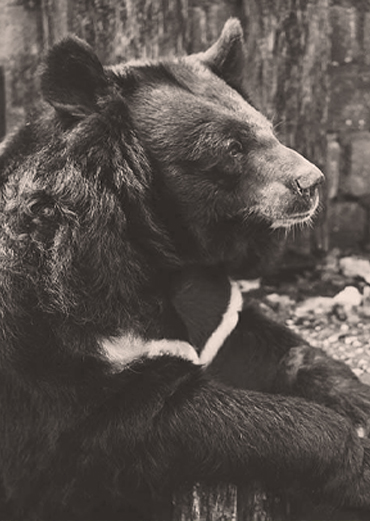
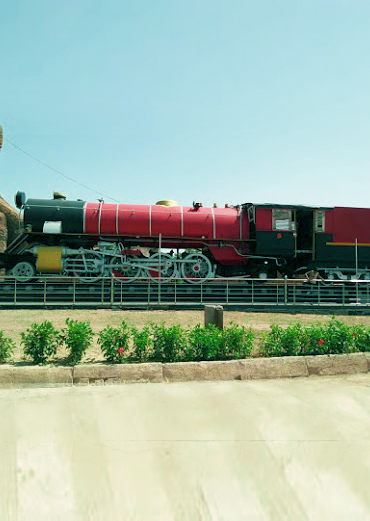
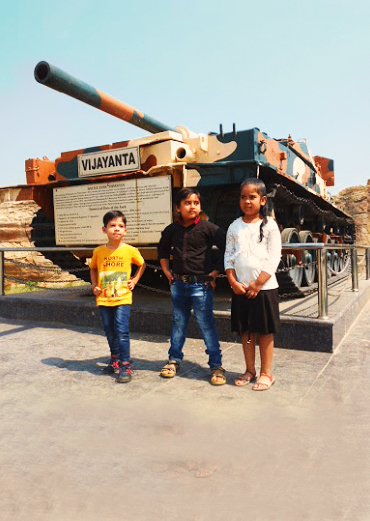
Etawah Safari Parks Samiti Uttar Pradesh (Known as Lion Safari Etawah) is a drive-through wildlife safari park in Etawah, Uttar Pradesh, India and one of the biggest Safari in Asia with a perimeter of 8 km. The Lion Safari Etawah is being established in an area of 350 hectares. Lion safari and The Lion breeding center are situated on the outskirt of Etawah City. Etawah Safari Park has a lion safari, a deer safari, an antelope safari, a bear safari and a leopard safari. Along with Safaries, It also has two Vijayanta tanks of the Indian Army along with an steam locomotive at display. It also has a 4D theatre, which gives you real close-ups with wildlife.
"The Lion breeding centre and LION safari is situated on the outskirt of Etawah City In the first phase of 1000 acre (400 ha.) 400 acre within the Lion Breeding Center and Lions Safari and the remaining 600 acre in the surrounding reserved forest, has been taken up. Species like Neem (Azadirachta indica), Shisham (Dalbergia sissoo), Pipal (Ficus religiosa), Kala Shisham (Dalbergia latifolia), Banyan (Ficus Bengalensis), Pakar (Ficus lacor), Bel (Aegle marmelos), Mahua (Madhuca indiaca), Kadamb (Anthocephallus Kadamba), Siris (Albizzia lebbeck), Acacia auriculiformis and tamarind species have been planted in outer area of the Lion Breeding Centre and Lion Safari. Tabibuya and Tecoma species have been planted in areas near Lion Safari, Shisham (Dalbergia sissoo), Neem (Azadirachta indica), Kanji (Pongamia pinnata),Siris, Bahuinia, Kadamb (Anthocephallus Kadamba), Maulsri, Pipal (Ficus religiosa), Bargad (Ficus Bemgalensis) etc. have also been planted.
Generation of employment avenues development of site as tourist spot, improvement of
ground water
level and increase in productivity of nearby agricultural fields will lead to make
better economic development.
The facility is being established in an area of 350 ha., (N26046?1101?E78059?46.2? and
N26046?50.1?E78059?22.9?)
of which 50 ha. Will serve as the Safari and the remaining 300 ha will serve as the
buffer. The entire area is
being fenced. To make the habitat conducive for lions, the existing vegetal cover is
being transformed with the replacement of exotic.
by suitable native species. Selective removal of the exotic is supplemented by sowing of
seeds of indigenous grasses shrubs and tree.
Soil conservation works are also being done.
The Breeding Center, Animal Houses, Veterinary Hospital, Interpretation Center,
vistor amenities, staff facilities and office etc. are being developed in
accordance with approved Master Layout Plan and Master Plan.
Creation of facilities of international standard in near natural condition wherein the
population
of the Asiatic Lion can be furthered through captive breeding.
Conservation awareness will be promoted through the Lion Safari and Nature
Interpretation Centre. "
Great Things to Explore
How to Reach

By Road
Lion Safari can be accessed from road, it is well connected from Lucknow (229 KM), Delhi (343) and Agra (124 KM) by road.

By Rail
Lion Safari can be accessed from Rail. Nearest railway station is Etawah.

Nearest Airport
Nearest Airport is Lucknow which has direct flight to all major cities of India
Ideal Time to Visit
15th November
to 15th June